About Balmoral Baths
Balmoral Baths offers a sheltered shore dive with calm, clear waters and seagrass beds where seahorses, pipefish, and playful cuttlefish can be spotted just metres from the beach.
Balmoral Baths Weather Forecast
About this forecast
7-day weather forecast for Sydney, NSW sourced from Open-Meteo. Daily high/low temperatures, conditions and rain probability.
Balmoral Baths Swell Forecast
About this forecast
Site-specific wave heights adjusted for Balmoral Baths's exposure, orientation and depth profile. Colour bands: green = ideal, orange = marginal, red = undiveable.
Balmoral Baths Tide Chart
About this chart
Today's tide chart with best at high tide (better visibility) conditions highlighted in green. This site dives best best at high tide (better visibility). Upgrade to Essential or Pro to unlock the 5-day tide chart.



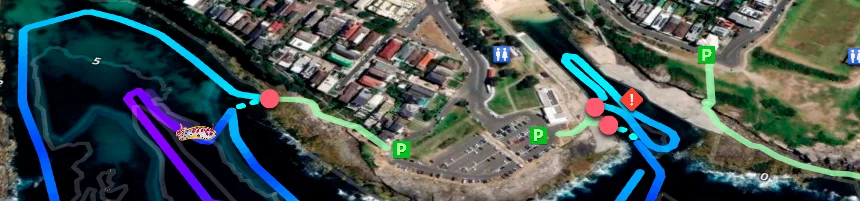
Balmoral Baths is a classic Sydney harbour baths dive on the northern side of Middle Harbour, where calm, sheltered water, easy access, and a macro-rich seagrass environment make it one of the most beginner-friendly entries on the upper harbour. The site is shallow — maximum 5 m — and the combination of sandy bottom, rocky structures under the wharf, and seagrass beds produces a genuinely impressive range of small species for a site this close to the city centre. Seahorses are the defining attraction and found with reliable consistency in the seagrass. Pipefish move through the same habitat. Cuttlefish are active and approachable throughout the year, and the wharf structure provides shelter for species that use the reduced-light environment beneath the boards.
Night diving is one of the best uses of Balmoral Baths. The shallow, enclosed environment makes it a low-stress introduction to night diving for less experienced divers, and the species that are cryptic during the day — octopus actively hunting across the sandy bottom, cuttlefish drifting through the wharf pylons, small crustaceans emerging from the seagrass root zone — become visible and active after dark. The facilities at Balmoral make the logistics of a night dive here more comfortable than at more remote sites, and the short walk from parking to the entry point is a genuine advantage when carrying torches and backup lights.
Tide sensitivity is high at 4/5 and the optimal window is strictly incoming 2nd half and high tide. Visibility averages around 6 m at best and halves quickly outside the tidal window — plan the dive to be in the water on the rising tide approaching high. Runoff sensitivity is 3/5; allow at least four to five days after heavy rain. The site is extremely well protected at prot_lvl 5/5, meaning swell and wind conditions never prevent diving here, but harbour chop from boat traffic and weekend activity on the water can affect surface comfort.
Key hazards include fishing lines and hooks around the wharf structure — always carry a dive knife. Keep well clear of the nets to avoid entanglement and protect the macro species. Swimmers and children jumping from the wharf during busy periods require awareness throughout the dive. Paid parking applies. Public bathrooms, showers, and cafes are on site. Balmoral is also worth visiting in different seasons to appreciate how the site changes. The cuttlefish behaviour shifts noticeably through autumn and winter as water temperature drops to 16–17°C and their courtship and hunting activity increases. Seahorse sightings are more reliable through the cooler months when the animals are less mobile and more likely to be anchored to a specific piece of seagrass or netting. Summer brings warmer water and occasional tropical species that drift south on the East Australian Current and shelter around the wharf structure.
Dive Centre Manly is the nearest shop at 7.8 km (11 min), with Infinity Dive at 10.7 km (16 min).

 Site Brief
 Dive Brief
 Marine Life
 Site Access
 Nearby ServicesMore Dive Sites in Sydney