About Lilli Pilli
Sheltered muck diving in the Port Hacking River featuring small drop-offs and sandy bottom, renowned for White's seahorses and nudibranchs.
Lilli Pilli Weather Forecast
About this forecast
7-day weather forecast for Sydney, NSW sourced from Open-Meteo. Daily high/low temperatures, conditions and rain probability.
Lilli Pilli Swell Forecast
About this forecast
Site-specific wave heights adjusted for Lilli Pilli's exposure, orientation and depth profile. Colour bands: green = ideal, orange = marginal, red = undiveable.
Lilli Pilli Tide Chart
About this chart
Today's tide chart with best at high tide conditions highlighted in green. This site dives best best at high tide. Upgrade to Essential or Pro to unlock the 5-day tide chart.



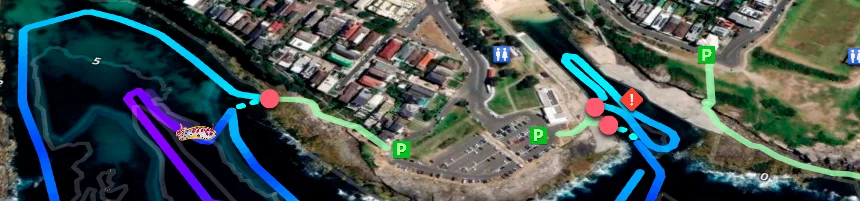
Lilli Pilli sits quietly in a protected corner of the Port Hacking River, well away from the ocean swell that governs most Sydney dive sites. It is a genuine muck dive — shallow, sheltered, and almost entirely about what is living in the sand and silt rather than the terrain itself. White's seahorses are the headline act, and this can be a reliable site in Sydney to find them. Nudibranchs, cuttlefish, and pipefish round out a list of species that rewards slow, careful divers who resist the urge to cover ground. The site extends to almost 25 m deep but most of the interesting life is concentrated in 2–7 m of water around the netted baths and the area around the entry point.
Visibility averages 3 meters — low by Sydney standards but typical for a sheltered river site. The difference between a murky dive and a clear one comes down to timing: aim for just before high tide, and avoid the site for at least a week after heavy rain when Port Hacking runoff clouds the water significantly. Current is minimal throughout, which keeps the dive relaxed from start to finish.
Buoyancy control matters here more than at most Sydney sites. The silt bottom disturbs instantly and a careless fin stroke degrades visibility for every diver in the water — slow down, stay high, and move deliberately. Entry is either via the first lot of steps and off the baths wharf or take the steps at the end of the road and enter via the Sea Scouts boat ramp. Boat traffic runs 30 m to the west, so surface well inside the shallows and ideally east of the baths boundary. A dive flag is strongly recommended if snorkeling or freediving.
Lilly Pilli rewards multiple visits across different seasons. Water temperature at Lilli Pilli ranges from around 22°C in summer to 16°C in winter, and the cooler months bring increased nudibranch and invertebrate activity on the reef margins. The White's seahorses that populate the netting and seagrass are present year-round but easier to spot when visibility is at its best — which means planning for the incoming 2nd half to high tide window consistently rather than diving at whatever the tide happens to be. A second dive on the same day at different stages of the tide cycle is a useful exercise for understanding how dramatically the site changes with water movement.
Restrooms are at the base of the steps to the baths. Abyss Scuba Diving is the closest dive shop 11 km away.

 Site Brief
 Dive Brief
[Seahorse Zone] Search the nets carefully for seahorses — they're well-camouflaged but rewarding finds if you look closely. Work your way around the net structure systematically.
[Navigation Waypoint] Head to the northern corner of the nets, then steer NNW into deeper water. You may spot boat buoys in this area.
[Return Loop] From here, loop right and pick up a SE heading. This will guide you back into the shallows where the dive ends.
[Shallow Finale] Finish by exploring the seagrass and rubble in the shallows — excellent for macro subjects. Take your time here to spot smaller creatures hiding in the bottom.
 Marine Life
 Site Access
 Nearby ServicesMore Dive Sites in Sydney