About Quarantine Beach
Navigate around a rocky point off Quarantine Beach before descending along a reef edge, where seahorses, lionfish, soft sponges, rays and weedy sea dragons thrive in this protected marine reserve.
Quarantine Beach Weather Forecast
About this forecast
7-day weather forecast for Sydney, NSW sourced from Open-Meteo. Daily high/low temperatures, conditions and rain probability.
Quarantine Beach Swell Forecast
About this forecast
Site-specific wave heights adjusted for Quarantine Beach's exposure, orientation and depth profile. Colour bands: green = ideal, orange = marginal, red = undiveable.
Quarantine Beach Tide Chart
About this chart
Today's tide chart with incoming tide close to high conditions highlighted in green. This site dives best incoming tide close to high. Upgrade to Essential or Pro to unlock the 5-day tide chart.



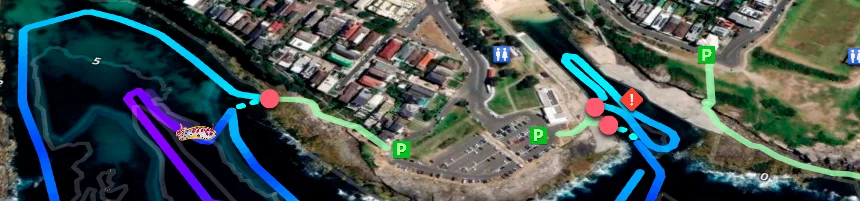
Quarantine Beach sits within the Sydney Harbour National Park at North Head, a protected marine reserve that has been accumulating life undisturbed for decades. The dive route navigates around a rocky point from the beach before descending along a reef edge to around 13 m, where the combination of reserve protection and varied terrain produces species encounters that are notably richer than similarly shallow harbour sites outside protected areas. Seahorses and pipefish are found in the seagrass beds. Lionfish — an unusual sighting for a Sydney harbour site — are reported here with enough regularity to be worth looking for. Weedy Sea Dragons appear along the reef edge. Soft sponges colonise the rocky substrate, and rays move across the sandy patches between the reef sections.
The submerged historic infrastructure adds a second layer of interest. Remnants of wharf and seawall construction from the quarantine station era lie scattered along the reef, providing additional structure and the kind of context that makes a dive feel connected to the landscape above the water. The marine reserve status means the species are less disturbed and more approachable than at comparable unprotected sites — a meaningful difference in practice for divers who want to observe behaviour rather than just glimpse retreating animals.
Tide sensitivity is high at 4/5 and the optimal window is incoming 2nd half and high — the GeoJSON recommends arriving just before high tide for the best conditions. Visibility averages around 8 m, among the better figures for a sheltered harbour site of this depth. Runoff sensitivity is 3/5, meaning a post-rain waiting period of four to five days is appropriate before visiting.
The beach is unpatrolled and closes at sunset — plan your dive to be out of the water well before dusk. A surface marker buoy is essential given the boat traffic in the broader North Head area. Avoid disturbing seagrass or any protected species throughout the dive. Facilities on site are excellent for a national park location — the Boilerhouse Kitchen and Wharf Cafe, bathrooms, picnic areas, and a visitor centre are all available. The national park setting also means Quarantine Beach is more logistically involved than the harbour beach sites closer to Manly. Access requires driving into the North Head Sanctuary precinct, which has restricted hours and a gate that closes at sunset — arriving late and being locked in is a genuine risk if you misjudge the dive timing. The extensive facilities on site, including accommodation at the Q Station heritage hotel, cafes, and a visitor centre, make it possible to combine the dive with a longer stay if the logistics allow. Plan the visit carefully around the gate hours and the optimal tidal window.
Dive Centre Manly is the closest shop at 2.6 km (6 min).

 Site Brief
 Dive Brief
 Marine Life
 Site Access
 Nearby ServicesMore Dive Sites in Sydney